Korean Bibimbap
Highlighted under: Authentic Global Cuisine Inspiration
Korean Bibimbap is a vibrant and nutritious dish that combines rice with an array of vegetables, meat, and a flavorful sauce.
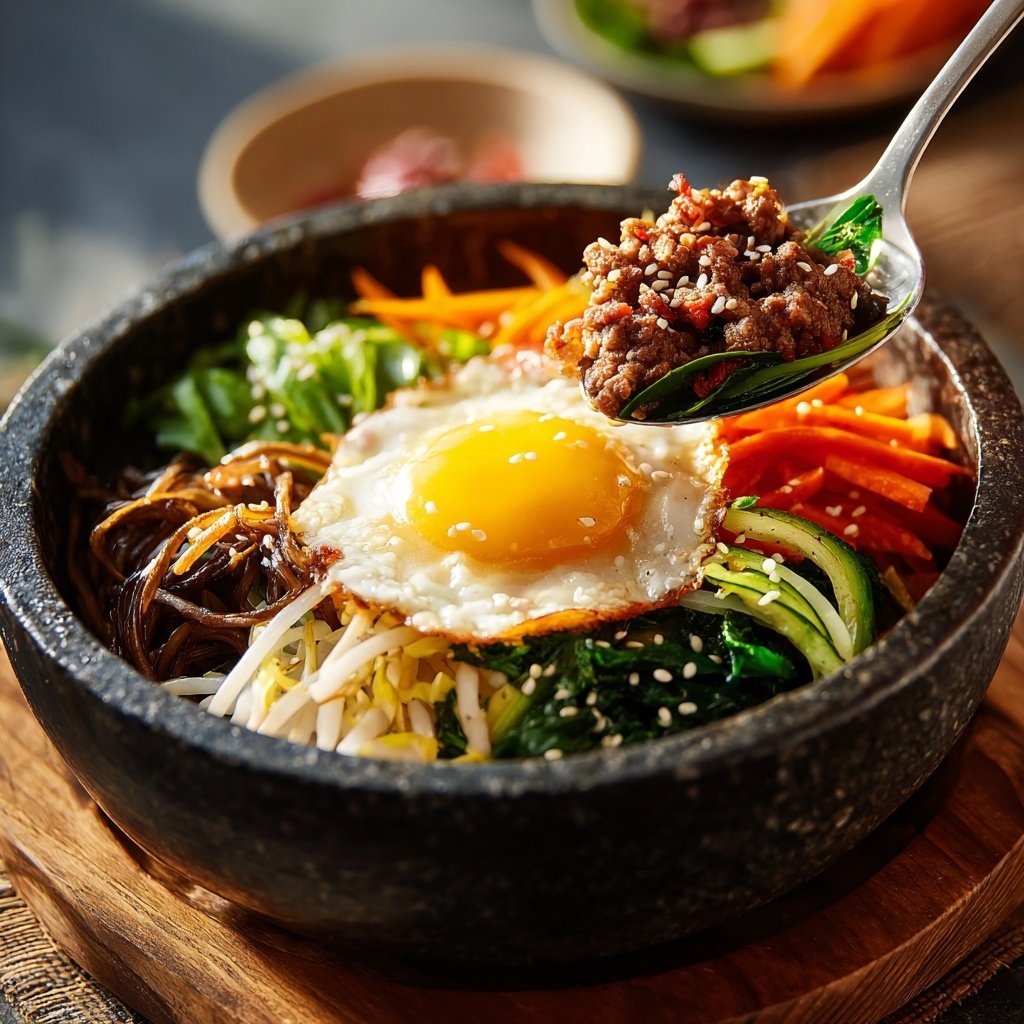
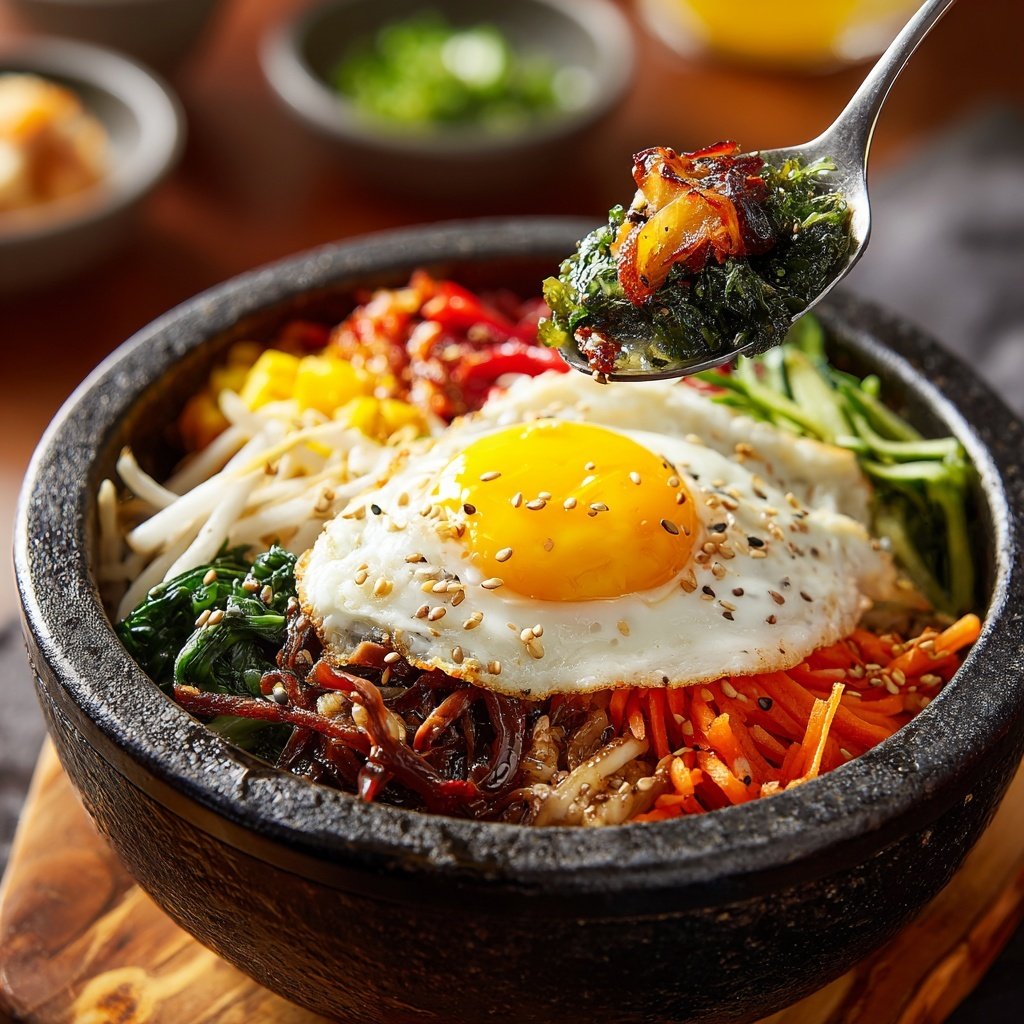
This classic Korean dish is not only colorful but also a delightful mix of flavors and textures. Bibimbap, meaning 'mixed rice', is a perfect representation of Korean cuisine's balance and harmony.
Why You Will Love This Recipe
- A delightful mix of textures and flavors in every bite
- Customizable with your favorite vegetables and proteins
- Healthy and nutritious, perfect for any meal
The Harmony of Flavors
Korean Bibimbap is renowned for its harmonious blend of flavors, each ingredient contributing to a delightful culinary experience. The combination of sautéed vegetables, protein, and the rich gochujang sauce creates a symphony of tastes that dance on your palate. Whether you opt for beef or tofu, the savory elements enhance the fresh, crisp vegetables, making each bite a true celebration of flavors.
The balance of textures is equally noteworthy. The tender rice serves as a comforting base, while the sautéed vegetables provide a satisfying crunch. The runny yolk of the fried egg adds creaminess to the dish, bringing everything together in a way that is both enjoyable and fulfilling. This unique combination makes Bibimbap a standout dish in Korean cuisine.
A Nutritional Powerhouse
Bibimbap is not only delicious but also packed with nutrients. The variety of vegetables used, including spinach, zucchini, and carrots, are rich in vitamins and minerals that support overall health. By incorporating a protein source like ground beef or tofu, you ensure that your meal is well-rounded and satisfying, providing essential nutrients without excess calories.
Moreover, the dish is easily customizable, allowing you to add seasonal vegetables or your favorite proteins. This adaptability not only makes it a versatile meal option but also encourages a balanced diet. Enjoying Bibimbap regularly can be a tasty way to boost your intake of essential nutrients while savoring the delicious flavors of Korea.
Making It Your Own
One of the fantastic aspects of Bibimbap is its versatility. You can easily adjust the ingredients based on what you have available or your personal preferences. For instance, swap the ground beef for chicken, or try incorporating different vegetables like bell peppers or mushrooms. This customization allows you to explore various flavor profiles and textures, ensuring that you never tire of this delightful dish.
Additionally, if you're looking to make your Bibimbap vegan, simply replace the eggs with a tofu scramble and choose plant-based proteins. The gochujang sauce can also be modified to adjust the spice level, making it suitable for all palates. Embrace the creativity that this recipe offers and make it a reflection of your taste!
Ingredients
For the Bibimbap
- 2 cups cooked jasmine rice
- 1 cup spinach, blanched and squeezed dry
- 1 cup bean sprouts, blanched
- 1 carrot, julienned
- 1 zucchini, julienned
- 4 shiitake mushrooms, sliced
- 1 cup ground beef or tofu (for a vegetarian option)
- 4 eggs
- 2 tablespoons vegetable oil
- Soy sauce to taste
- Salt and pepper to taste
For the Gochujang Sauce
- 3 tablespoons gochujang (Korean chili paste)
- 1 tablespoon sesame oil
- 1 tablespoon sugar
- 1 tablespoon water
- 1 teaspoon rice vinegar
Instructions
Prepare the Vegetables
In a skillet, heat 1 tablespoon of vegetable oil over medium heat. Sauté the carrots and zucchini separately until tender. Set aside.
Cook the Meat
In the same skillet, add the remaining oil and cook the ground beef or tofu until browned. Season with soy sauce, salt, and pepper to taste.
Fry the Eggs
In a separate pan, fry the eggs sunny-side up until the whites are set but the yolks are still runny.
Prepare the Sauce
In a bowl, mix together gochujang, sesame oil, sugar, water, and rice vinegar until smooth.
Assemble the Bibimbap
In a bowl, place a serving of rice and arrange the sautéed vegetables, meat, and a fried egg on top. Drizzle with gochujang sauce and mix well before enjoying!
Pro Tips
- Feel free to customize your bibimbap with seasonal vegetables or your choice of protein.
Serving Suggestions
Korean Bibimbap can be served as a main dish or as part of a larger spread. Pair it with traditional Korean sides like kimchi or pickled vegetables for a complete meal experience. The vibrant colors and delicious aromas of Bibimbap make it an eye-catching centerpiece for any table, perfect for impressing guests during gatherings.
For an extra touch, consider serving the Bibimbap in a hot stone bowl. This method keeps the rice warm and creates a delightful crispy layer at the bottom, enhancing the overall texture and flavor of the dish. It’s a fun way to elevate your dining experience!
Storage and Reheating
If you have leftovers, storing Bibimbap is easy. Keep the components separate to maintain the texture of the vegetables and the integrity of the rice. Store the rice, vegetables, and protein in airtight containers in the refrigerator for up to three days. The gochujang sauce can also be stored separately to avoid sogginess.
When you're ready to enjoy your leftovers, reheat the rice in a microwave or on the stovetop, adding a splash of water to keep it moist. Sauté the vegetables briefly to revive their freshness, and then assemble your Bibimbap as you did initially. This way, you can savor the deliciousness of your homemade meal even days later!
Cultural Significance
Bibimbap is more than just a meal; it is a dish steeped in Korean culture and tradition. Traditionally enjoyed during festive occasions or as a celebratory dish, Bibimbap represents harmony and balance, which are vital concepts in Korean culture. The colorful arrangement of ingredients symbolizes the beauty of diversity and unity.
In Korean households, preparing Bibimbap together can be a social activity, bringing family and friends together. It embodies a sense of community and sharing, making it a perfect dish for gatherings. Understanding the significance of Bibimbap adds a deeper appreciation for the flavors and the experience of enjoying this beloved Korean dish.
Questions About Recipes
→ Can I make bibimbap vegetarian?
Yes, simply substitute the meat with tofu or additional vegetables.
→ What can I use instead of gochujang?
You can use a mix of chili paste and miso as a substitute, though the flavor will differ.
→ Can I prepare the ingredients in advance?
Absolutely! You can prepare the vegetables and meat ahead of time and just assemble when ready to serve.
→ Is bibimbap served hot or cold?
Bibimbap is typically served warm, but feel free to enjoy it at your preferred temperature.
Korean Bibimbap
Created by: Nicola Fairchild
Recipe Type: Authentic Global Cuisine Inspiration
Skill Level: Intermediate
Final Quantity: 4 servings
What You'll Need
For the Bibimbap
- 2 cups cooked jasmine rice
- 1 cup spinach, blanched and squeezed dry
- 1 cup bean sprouts, blanched
- 1 carrot, julienned
- 1 zucchini, julienned
- 4 shiitake mushrooms, sliced
- 1 cup ground beef or tofu (for a vegetarian option)
- 4 eggs
- 2 tablespoons vegetable oil
- Soy sauce to taste
- Salt and pepper to taste
For the Gochujang Sauce
- 3 tablespoons gochujang (Korean chili paste)
- 1 tablespoon sesame oil
- 1 tablespoon sugar
- 1 tablespoon water
- 1 teaspoon rice vinegar
How-To Steps
In a skillet, heat 1 tablespoon of vegetable oil over medium heat. Sauté the carrots and zucchini separately until tender. Set aside.
In the same skillet, add the remaining oil and cook the ground beef or tofu until browned. Season with soy sauce, salt, and pepper to taste.
In a separate pan, fry the eggs sunny-side up until the whites are set but the yolks are still runny.
In a bowl, mix together gochujang, sesame oil, sugar, water, and rice vinegar until smooth.
In a bowl, place a serving of rice and arrange the sautéed vegetables, meat, and a fried egg on top. Drizzle with gochujang sauce and mix well before enjoying!
Extra Tips
- Feel free to customize your bibimbap with seasonal vegetables or your choice of protein.
Nutritional Breakdown (Per Serving)
- Calories: 540 kcal
- Total Fat: 22g
- Saturated Fat: 6g
- Cholesterol: 186mg
- Sodium: 750mg
- Total Carbohydrates: 66g
- Dietary Fiber: 4g
- Sugars: 5g
- Protein: 18g